SIFUNA IN RAILA’S CHAIR: WHAT DID THE MOMENT AT OPODA FARM REALLY MEAN?
Did Sifuna’s moment in Raila’s chair at Opoda Farm mean something, or nothing? An analysis of the debate and what remains unknown.
Watch Getembe TV Live
Broadcast Getembe TV Live Stream
Listen Getembe FM Live
Tune in to Getembe FM Live Broadcast
In the quiet rooms of Opoda Farm in Bondo, a chair can become more than a place to sit. For a family still coming to terms with the loss of a husband, father and political patriarch, familiar spaces can carry memories that words struggle to express.
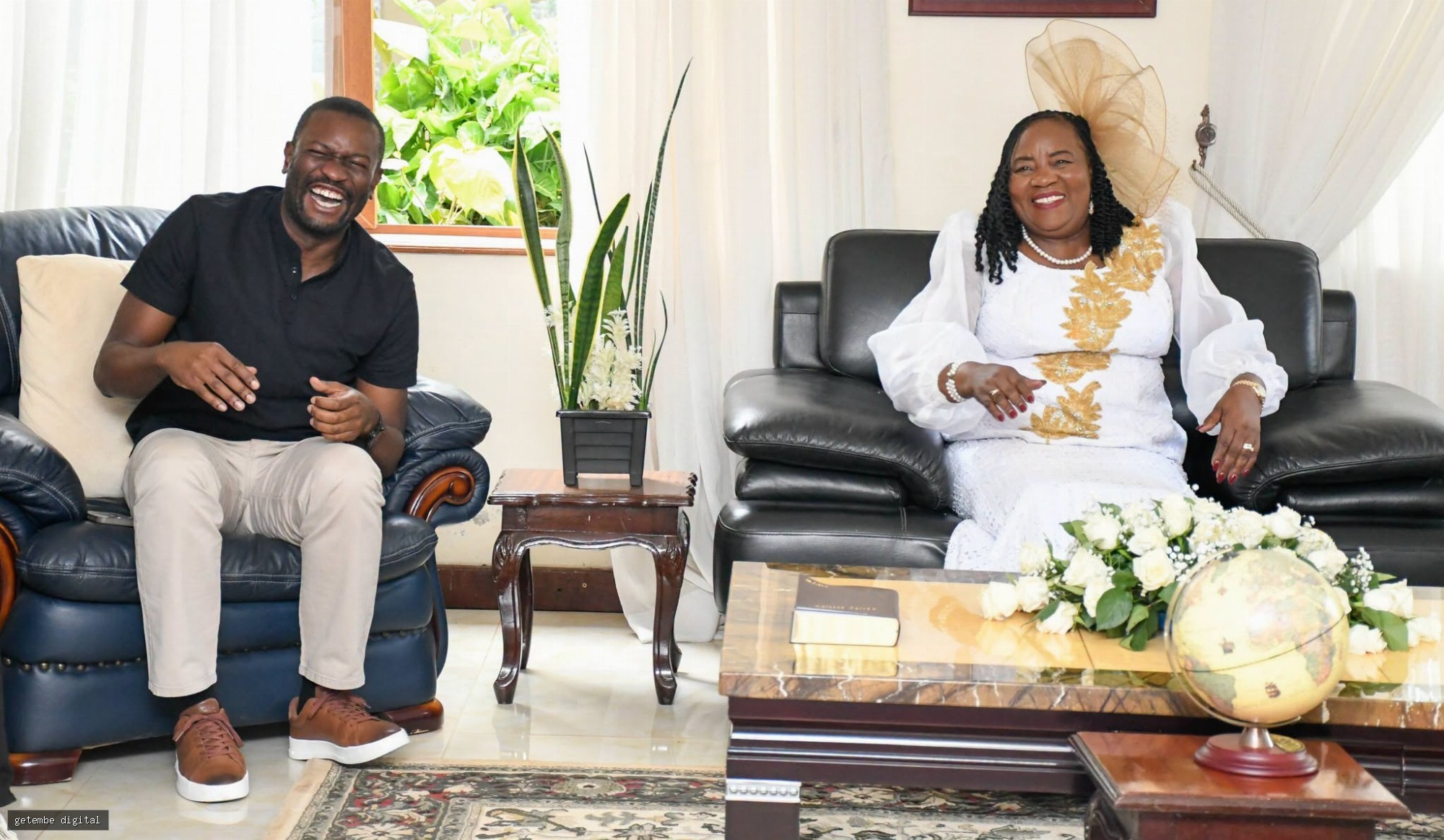
That is what made Nairobi Senator Edwin Sifuna’s moment at the Odinga family home during the first anniversary of Raila Amolo Odinga’s death on October 15, 2026, a subject of public discussion.
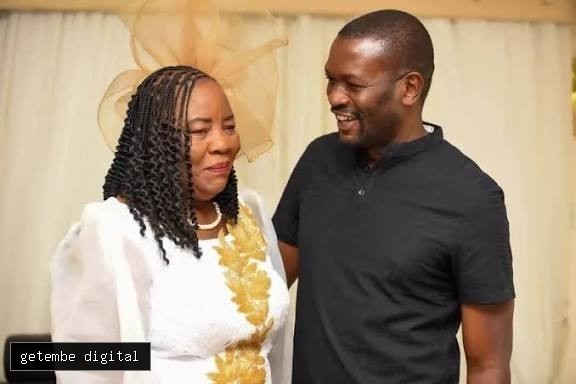
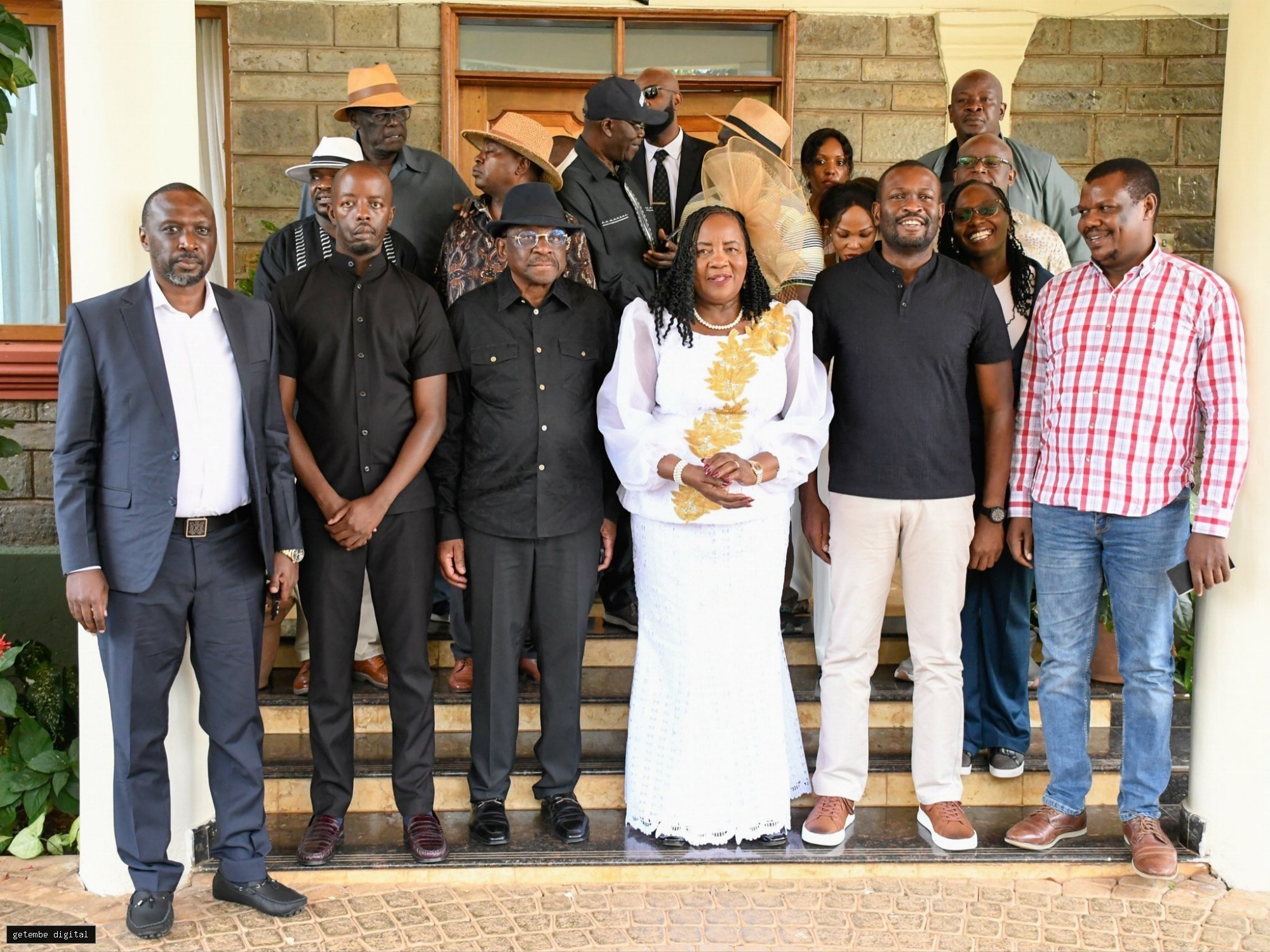
Sifuna visited the family alongside other leaders as Kenyans gathered to remember the former Prime Minister. Images from the visit showed him sharing a moment with Raila’s widow, Ida Odinga. Reports subsequently focused on his sitting in a chair described as having belonged to the late opposition leader, prompting debate about the cultural and political implications of the gesture.
But what, exactly, did the moment mean?
A chair, a tradition and different interpretations
In many families, a seat associated with a deceased patriarch can become a powerful reminder of the person who once occupied it. Within Luo communities, respect for the deceased, family relationships and funeral traditions have deep cultural roots. However, customs vary between families, generations and religious backgrounds, making it difficult to assign one universal meaning to a particular chair.
Some observers may therefore interpret Sifuna’s action as culturally significant, while others may see it as an ordinary moment during a family visit.
The distinction matters. There is no publicly established evidence that the act, by itself, constituted a traditional transfer of authority or that Ida intended it to communicate a political endorsement.
What can be examined, however, is why the moment attracted such attention at a time when Raila’s political legacy remains a subject of intense public debate.
Why Sifuna’s presence matters politically
Sifuna’s association with Raila goes beyond his position as Nairobi senator. He served as secretary-general of the Orange Democratic Movement (ODM), the party Raila led for years, and has remained a prominent figure in discussions about its direction following the former Prime Minister’s death.
His visit to Opoda Farm came against the backdrop of disagreements over ODM’s political future and competing views about how Raila’s legacy should be carried forward. The first anniversary itself exposed divisions among political figures who had once stood together under Raila’s leadership.
In that context, a seemingly private interaction at the family home can acquire a wider public meaning.
For Sifuna’s supporters, the reception he received may reinforce the perception that he remains connected to the Odinga family and the political tradition associated with Baba. Others may caution against reading too much into a single encounter, particularly without a statement from Ida explaining what she intended.
Both perspectives underline the same point: political symbolism is often shaped not only by what happens, but also by the circumstances in which it happens and the expectations of those watching.
Did Mama Ida send a message?
The most consequential question concerns Ida herself.
Allowing a guest to occupy a particular seat could reflect hospitality, familiarity, personal affection or a deliberate symbolic gesture. Without her explanation, it would be premature to conclude which interpretation best reflects her intentions.
Nor should the gesture automatically be treated as a declaration about who should inherit Raila’s political influence. A family relationship and a political endorsement are not necessarily the same thing.
Yet Ida’s role in the public remembrance of her husband gives her actions particular visibility. As the family welcomed leaders from different political camps during the anniversary period, the gathering became part of a wider conversation about who has the authority to preserve, interpret and represent Raila’s legacy.
That makes the chair an intriguing detail, even if its precise significance remains unresolved.
The legacy beyond the chair
Raila Odinga’s political legacy cannot be reduced to one family gathering, one photograph or one symbolic gesture. It encompasses decades of opposition politics, constitutional reform debates, political alliances and a relationship with supporters that extended across generations.
The question facing those who seek to carry that legacy forward is not simply who can occupy a seat associated with Baba. It is how his political ideals, public commitments and relationship with ordinary Kenyans will be interpreted in the years ahead.
Sifuna’s visit may become part of that story. Whether it represents personal acceptance, cultural symbolism or a broader political signal remains a matter of interpretation.
For now, the chair offers a compelling image of a country still negotiating the meaning of a towering political figure’s absence.
Sometimes, a photograph raises questions that no official statement has yet answered. In Bondo, the debate is no longer only about who sat in the chair, but about what Kenyans believe it means to carry a legacy forward.
ADVERTISEMENT
Watch Getembe TV Live
Broadcast Getembe TV Live Stream
Listen Getembe FM Live
Tune in to Getembe FM Live Broadcast
How do you feel about this article?
Let us know by choosing a reaction below.

Written by FRANKLINE NYANDORO
Reporter and staff writer at Getembe News.
Comments 0
Please log in to participate in the comments section.
No comments yet. Be the first to share your thoughts!
ADVERTISEMENT
Related Stories
Have a news tip?
Do you have an investigation, local story or news event you think we should cover? Contact our newsroom directly.
Submit Tip
Mobile App
Download Getembe Digital App Today
Download Getembe Digital App today for live news updates, breaking notifications, and seamless live streaming.