
KENYA’S EBOLA CASES RISE TO EIGHT AS NEW INFECTION RAISES CONTAINMENT QUESTIONS
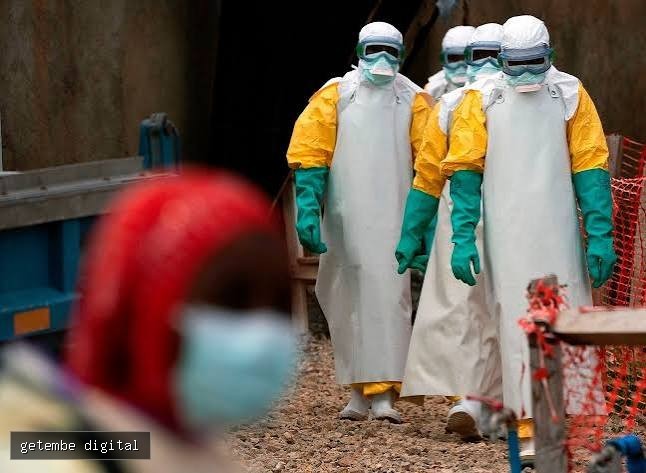
Kenya’s confirmed Ebola cases have risen to eight after another patient tested positive, intensifying the pressure on health authorities working to prevent further spread of the Bundibugyo virus.
Watch Getembe TV Live
Broadcast Getembe TV Live Stream
Listen Getembe FM Live
Tune in to Getembe FM Live Broadcast
The latest case, announced on Sunday, October 18, involves a 49-year-old man who worked as a patient attendant, cleaning utensils and linens. Director-General for Health Dr Patrick Amoth said the man developed a fever, headache and muscle pain before testing positive.
The patient was among 38 people tested that day, with laboratory results confirming one new infection. He was isolated and placed under medical care as health officials continued tracing and monitoring people who may have been exposed to the virus.
Kenya confirmed its first imported case in early October involving a Kenyan man who had been living in the Democratic Republic of Congo (DRC). He travelled through Uganda before arriving in Nairobi on October 3 and later died in hospital on October 5.
Subsequent infections were identified among his close relatives and healthcare workers who had attended to him. The latest case adds to a cluster that health authorities are working to contain through isolation, testing and contact tracing.
Health authorities have identified approximately 130 contacts linked to the initial patient. By October 18, reports indicated that 128 had been traced and placed under quarantine, while efforts continued to locate the remaining two.
The emergence of additional infections among people linked to the initial case highlights the importance of the 21-day monitoring period. Officials have cautioned that further cases may be detected as surveillance and testing continue.
However, authorities have reported no evidence of wider community transmission in Kenya, and the public risk has been described as low.
Kenya has intensified screening at points of entry, strengthened contact tracing and prepared designated isolation facilities to manage suspected and confirmed infections.
The response is being coordinated with international public health partners as the wider outbreak in the DRC continues to challenge regional containment efforts.
The circulating Bundibugyo strain has no approved vaccine or specific antiviral treatment, making early detection, isolation and supportive medical care particularly important
For now, health teams remain focused on identifying infections quickly and preventing further transmission. The coming days will be crucial as monitoring continues and authorities work to establish whether the existing cluster can be contained.
ADVERTISEMENT
Watch Getembe TV Live
Broadcast Getembe TV Live Stream
Listen Getembe FM Live
Tune in to Getembe FM Live Broadcast
How do you feel about this article?
Let us know by choosing a reaction below.

Written by FRANKLINE NYANDORO
Reporter and staff writer at Getembe News.
Comments 0
Please log in to participate in the comments section.
No comments yet. Be the first to share your thoughts!
ADVERTISEMENT
Related Stories

Have a news tip?
Do you have an investigation, local story or news event you think we should cover? Contact our newsroom directly.
Submit Tip
Mobile App
Download Getembe Digital App Today
Download Getembe Digital App today for live news updates, breaking notifications, and seamless live streaming.